
Institutional assessment, research strategy, and thought leadership for organizations seeking to better understand their environments, evaluate change, and make informed decisions.
Turning research, data, and stakeholder perspectives into meaningful insight that supports planning, innovation, and long-term impact.
Overview & Strategic Context
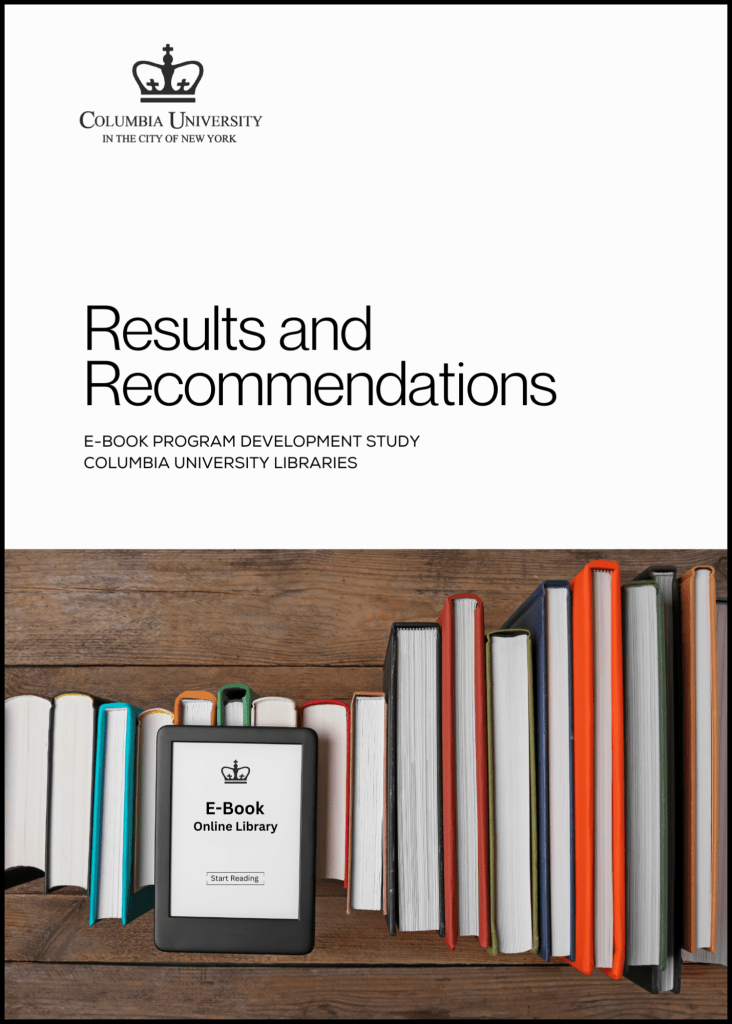
From 2013 to 2017, Melissa Goertzen conducted institutional assessment, strategic research, and evidence-based planning initiatives within academic research environments, most notably through the E-Book Program Development Study at Columbia University Libraries.
The multi-year initiative examined collection development strategies, research workflows, user behavior, discovery trends, acquisition models, and the long-term strategic value of electronic collections within one of North America’s leading research library systems.
Work focused on understanding how information systems, governance structures, institutional workflows, and research behaviors interact within complex academic environments.
Responsibilities included:
- development of institutional assessment frameworks and methodologies
- strategic research and environmental scanning
- quantitative and qualitative analysis
- stakeholder consultation and cross-departmental collaboration
- workflow and governance analysis
- strategic reporting and evidence-based recommendations
- development of implementation-oriented planning materials and guidance documentation
Findings and methodologies developed through this work contributed to broader professional and industry discussions related to research productivity, institutional assessment, scholarly communications, and evidence-based planning within higher education environments.
The project evolved into broader thought leadership and sector engagement activities, including peer-reviewed publications, white papers, webinars, conference panels, keynote speaking engagements, and collaborative initiatives with academic institutions and publishing stakeholders, including Elsevier.
Institutional & Decision Environment
Research and assessment activities were conducted within complex academic and institutional environments requiring:
- alignment with institutional strategic planning objectives
- evaluation of long-term collection value and research impact
- analysis of evolving research, teaching, and learning behaviors
- coordination across libraries, publishers, faculty, researchers, and institutional stakeholders
- management of competing operational, technological, and budgetary priorities
- development of evidence supporting institutional planning and resource allocation decisions
Assignments frequently addressed broader institutional questions surrounding:
- sustainability of research support models
- scholarly communications and digital collections
- governance and workflow modernization
- institutional effectiveness and operational efficiency
- research productivity and assessment frameworks
- long-term planning within evolving academic environments
Work required balancing operational realities with long-term strategic planning objectives, changing information ecosystems, and the needs of complex research communities.
Research Methodologies, Assessment Frameworks & Contributions
Melissa Goertzen developed institutional assessment and strategic research initiatives through structured, evidence-based methodologies emphasizing institutional context, stakeholder engagement, systems thinking, and long-term organizational impact.
Responsibilities included:
- development of institutional assessment methodologies and research frameworks
- literature reviews and environmental scans supporting strategic planning activities
- quantitative and qualitative data analysis
- evaluation of collection usage, research workflows, and discovery trends
- stakeholder engagement with librarians, researchers, publishers, administrators, and institutional partners
- development of strategic recommendations and implementation guidance
- creation of white papers, reports, presentations, and thought leadership materials
- conference presentations, webinars, keynote speaking engagements, and collaborative professional initiatives
- development of institutional case studies examining governance structures, workflow modernization, and research information management systems
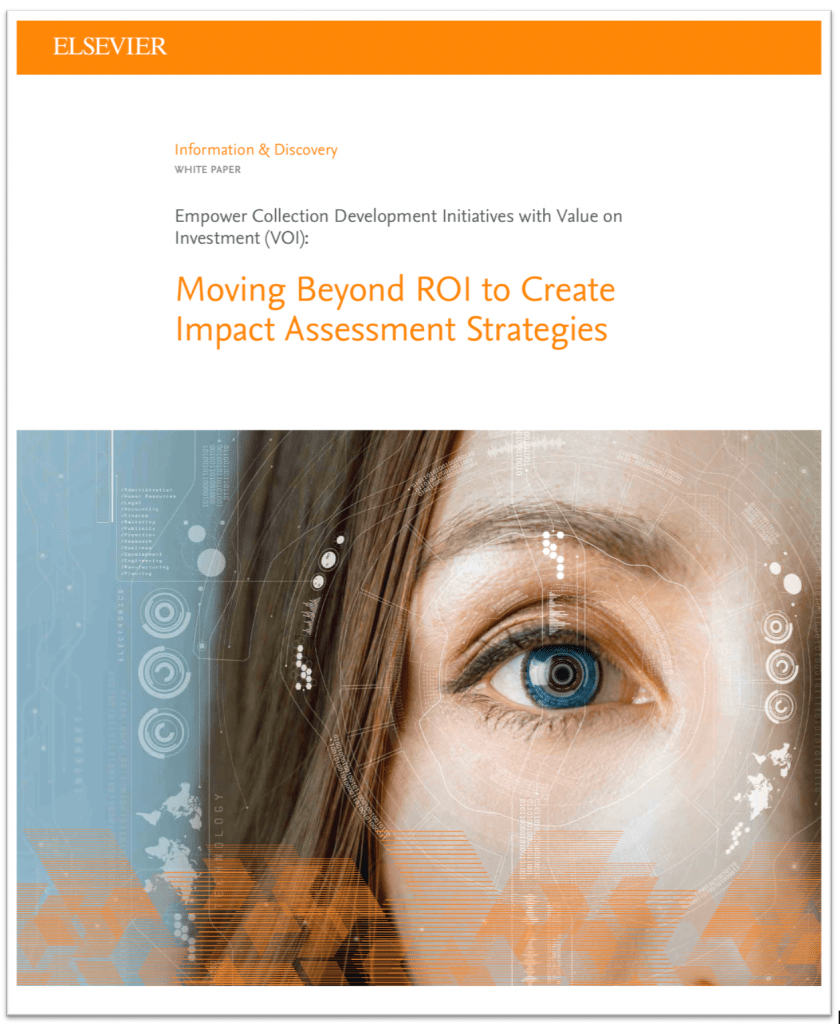
Methodologies emphasized moving beyond transactional measures of return on investment toward broader value-on-investment frameworks examining institutional impact, research productivity, user outcomes, and long-term strategic value within academic environments.
Research and assessment activities also examined how institutional systems and workflows influence collaboration, information access, operational efficiency, and evidence-based decision-making across academic organizations.
Thought Leadership, Knowledge Exchange & Sector Engagement
Research findings and assessment methodologies were shared through professional and academic knowledge exchange activities supporting broader discussions surrounding institutional assessment, scholarly communications, research productivity, and evidence-based planning.
Activities included:
- peer-reviewed publications and professional commentary
- development of industry white papers and assessment frameworks
- conference presentations and panel discussions
- webinars and professional development sessions
- keynote speaking engagements at international conferences
- collaborative initiatives with academic institutions and publishing stakeholders
- development of institutional case studies examining operational transformation and research information management environments
Thought leadership activities focused on translating complex research and assessment findings into accessible frameworks supporting institutional planning, operational improvement, and long-term strategic thinking within higher education environments.
Outcomes & Institutional Impact
Research and assessment activities contributed to the development of evidence-based planning strategies, institutional assessment frameworks, and sustainable methodologies supporting long-term organizational decision-making within academic environments.
Outputs contributed to:
- improved understanding of collection usage and research behavior trends
- development of institutional assessment and planning frameworks
- strengthened alignment between collections, research activities, and institutional priorities
- advancement of evidence-based collection development and research support practices
- creation of methodologies supporting strategic planning and operational decision-making
- dissemination of research findings through publications, presentations, and professional engagement activities
- increased collaboration between academic institutions, publishers, and research stakeholders
Work informed broader professional discussions surrounding:
- collection impact assessment
- workflow modernization and governance structures
- research information management
- institutional effectiveness and operational sustainability
- the evolving role of academic libraries and research support environments within higher education institutions
Research and thought leadership outputs were disseminated through peer-reviewed publications, white papers, webinars, conference presentations, keynote speaking engagements, and collaborative professional initiatives involving international academic and publishing communities.
Relevance to Academic & Institutional Clients
This experience demonstrates the ability to:
- conduct institutional assessment and strategic research within complex academic environments
- develop evidence-based methodologies supporting institutional planning and operational decision-making
- synthesize large and complex information environments into structured findings and strategic recommendations
- evaluate workflows, governance structures, and information systems within research institutions
- support organizational modernization and operational improvement initiatives
- communicate complex research findings through reports, publications, presentations, and executive-facing materials
- facilitate collaboration across academic, institutional, and industry partnership environments
- translate research and assessment findings into practical frameworks supporting long-term institutional planning
The project reflects experience supporting institutional assessment, workflow modernization, research strategy, evidence-based planning, and organizational decision-making within higher education and research-focused environments.
Project Samples
Institutional Assessment
Columbia University
Thought Leadership
Elsevier While Paper
Scholarly Analysis
Peer-Reviewed Opinion Piece
Institutional Transformation
Monash University Case Study
Summary
Developed an institutional assessment and strategic recommendations report examining e-book collection development, research workflows, user behavior, and long-term value-on-investment methodologies within a major academic research library environment.
Summary
Developed an industry white paper examining value-on-investment (VOI) assessment methodologies and evidence-based strategies supporting institutional planning, research productivity, and long-term collection impact within academic environments.
Summary
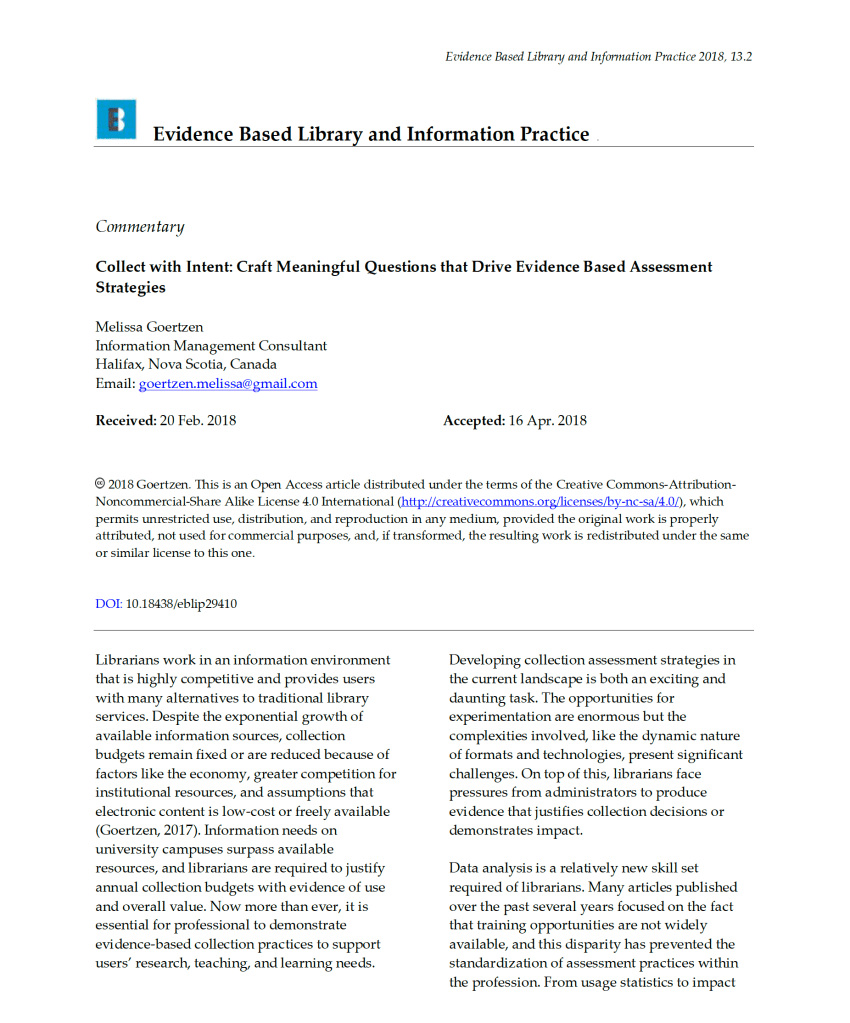
Authored a peer-reviewed commentary examining evidence-based collection assessment practices and strategic approaches to sustainable institutional planning within academic library environments.
Summary
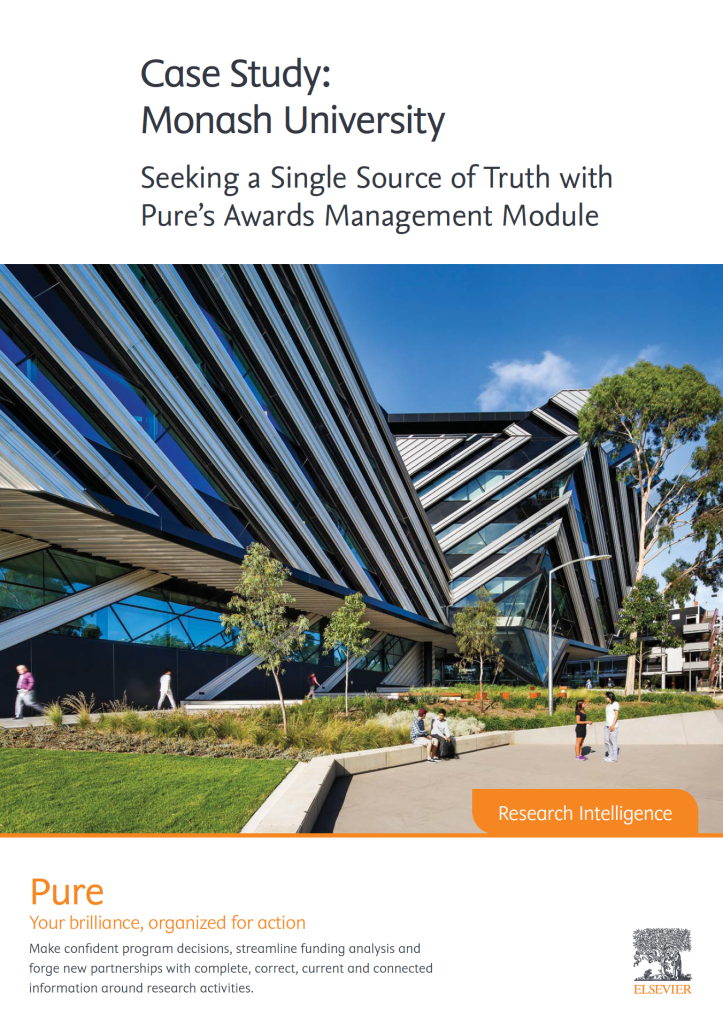
Developed a strategic institutional case study examining research information management modernization, workflow integration, governance structures, and operational transformation within a large international university environment.
Supporting organizations through research, communications, and strategic advisory services.
From institutional assessment and policy modernization to executive communications and implementation guidance, services are tailored to help organizations navigate complexity and move initiatives forward.

 Melissa Joy Goertzen